-
Voiture de drift radiocommandée WHOOSH H3-S3 1/43 4WD Mitsubishi Lancer Evolution IX RTR avec gyroscope – mini voiture de drift sous licence
Prix habituel $25.99Prix habituel$39.99Prix promotionnel $25.99Promotion -
Voiture de drift RC JXC EVO6409 1:64 4WD Mitsubishi Lancer Evolution IX en alliage RTR avec gyroscope
Prix habituel $39.99Prix habituel$54.99Prix promotionnel $39.99Promotion -


Mini voiture de drift RC JIABAILE 3611-3615 1/36 4WD – châssis en fibre de carbone, gyroscope, RTR
Prix habituel $61.99Prix habituel$89.99Prix promotionnel $61.99Promotion -
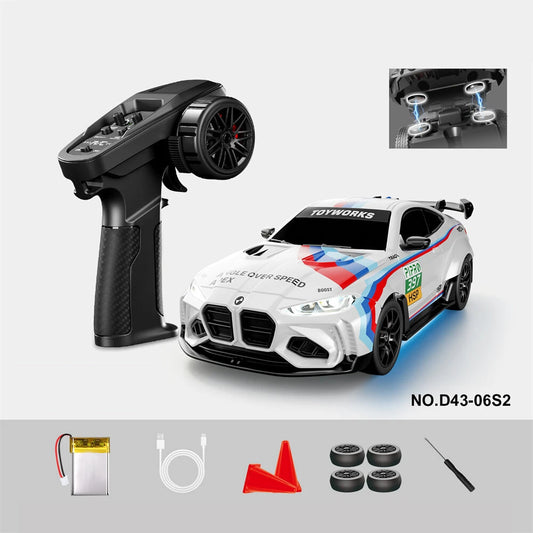
Mini voiture de drift RC Hstar D43-06S 1/43 – carrosserie en alliage graffiti, 4WD avec gyroscope, deux jeux de roues, RTR
Prix habituel $39.99Prix habituel$56.99Prix promotionnel $39.99Promotion -
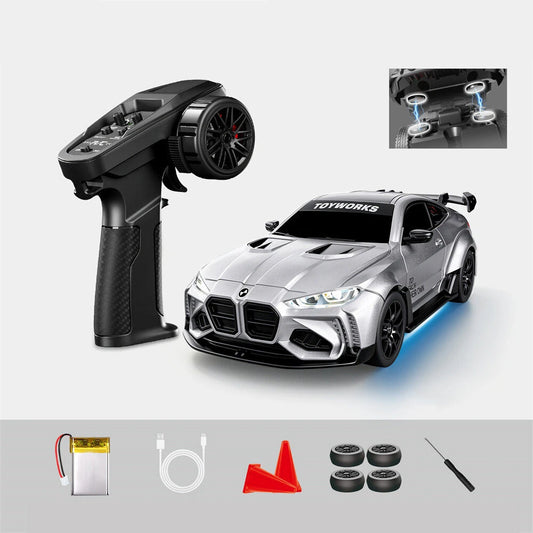
Mini voiture de drift RC Hstar D43-06Q 1/43 – 4WD avec gyroscope, carrosserie magnétique en alliage, RTR
Prix habituel À partir de $38.99Prix habituel$55.99Prix promotionnel À partir de $38.99Promotion -
Voiture de drift RC JXC SP4301-GR 1/43 DARWINPRO Supra – 4WD avec gyroscope, RTR
Prix habituel $58.99Prix habituel -
Voiture de drift avec gyroscope MJX Hyper Go 43311 — 1/43
Prix habituel $49.99Prix habituel -
Voiture de drift RC WHOOSH H4 1/43 GT-R R35 4WD avec gyroscope, sous licence officielle Nissan
Prix habituel $39.99Prix habituel -
Mini voiture de rallye RC ZLL SG516 1/64 - 4WD proportionnelle
Prix habituel $24.90Prix habituel -
Voiture de rallye et de drift RC Turbo Racing C90 1:43 RWD Pegasus 3× Audi A3, collaboration Dual-IP, RTR
Prix habituel $99.99Prix habituel -
Voiture de rallye RC JJRC C8846 1/14 4WD / Proportionnelle complète avec gyroscope, feux LED et 3 modes de vitesse
Prix habituel À partir de $89.00Prix habituel$120.00Prix promotionnel À partir de $89.00Promotion -
Voiture de drift RC JJRC C8845 1/24 4WD / Proportionnelle complète avec gyroscope, feux LED, son et projection d'échappement
Prix habituel $36.00Prix habituel$49.00Prix promotionnel $36.00Promotion -
ZLL SG212 SG210 1:24 voiture de drift RC 4WD avec caméra FPV et télécommande avec écran
Prix habituel À partir de $32.99Prix habituel -
MJX Hyper Go 43308 1/43 voiture de rallye RC — RTR
Prix habituel $59.99Prix habituel -
JXC AE4386 1/43 voiture de drift RC Toyota AE86 sous licence, 4WD RTR avec gyroscope et feux LED
Prix habituel $36.90Prix habituel -
Turbo Racing C66 1:76 voiture de drift RC miniature RTR avec gyroscope
Prix habituel $79.99Prix habituel -
Turbo Racing 1/76 voiture de drift RC BMW Mini Cooper sous licence, modèle réduit 2WD RTR
Prix habituel $65.99Prix habituel -
Turbo Racing C82 1:76 2.4GHz camion tout-terrain RC RTR avec direction entièrement proportionnelle, voiture de police
Prix habituel $99.99Prix habituel$119.99Prix promotionnel $99.99Promotion -
Turbo Racing C61/C62/C63/C64 1/76 voiture de drift RC miniature à l’échelle réelle avec gyroscope intégré
Prix habituel $73.99Prix habituel -
Turbo Racing C65 édition limitée/édition standard 1/76 voiture de drift RC RTR entièrement proportionnelle avec gyroscope
Prix habituel À partir de $79.99Prix habituel$139.00Prix promotionnel À partir de $79.99Promotion -
Turbo Racing C75 à l’échelle 1:76 RTR avec direction proportionnelle, voiture de drift sportive RC
Prix habituel $67.99Prix habituel -
Turbo Racing C76 1:76 classique rouge 2.4G 4CH 2WD voiture de drift sportive RC miniature avec feux LED
Prix habituel $89.99Prix habituel -
Mini voiture RC de drift Turbo Racing C65 1:76 avec châssis CT04, RTR, avec gyroscope
Prix habituel $74.99Prix habituel$89.99Prix promotionnel $74.99Promotion -
Mini voiture RC de drift sportive à propulsion Turbo Racing C78 Pegasus 3 2026, édition co-brandée sous licence officielle, RTR 1/76 2.4G
Prix habituel $89.99Prix habituel -
Voiture RC de drift LDRC 1803 1/18 à propulsion — carrosserie NSX, gyroscope ESP, éclairage LED
Prix habituel $65.99Prix habituel -
Voiture RC de drift à trois roues SG PINECONE FOREST 1008 RTR 1/10 – 4CH 2.4GHz, entièrement proportionnelle, RTR, avec éclairage LED et son
Prix habituel $57.99Prix habituel -
Voiture de course RC à double moteur XJRC XJ-1997 1/16 2.4G 4WD avec éclairage LED
Prix habituel $50.99Prix habituel -
Voiture RC de drift JXC SP4301 haute vitesse 1/43 4WD, sous licence officielle, avec gyroscope
Prix habituel $38.99Prix habituel -
Mini voiture RC de drift MCARRO MC061 1/64 — 4WD, 2.4GHz, RTR
Prix habituel $29.99Prix habituel -
Voiture RC de drift GomniRC S805 1/24 4WD — RTR
Prix habituel $55.99Prix habituel -
Voiture RC de drift de bureau MCARRO TR051 RTR 1/43 2.4G 4WD
Prix habituel $50.99Prix habituel -
Mini voiture RC de drift Hstar D24 1:24, quatre roues motrices, entièrement proportionnelle, RTR, 25KM/H
Prix habituel À partir de $69.99Prix habituel -
Mini voiture RC de drift LDRC LD4301 1:43, quatre roues motrices, entièrement proportionnelle, RTR, avec gyroscope et radiocommande 2.4G
Prix habituel $32.99Prix habituel -
Voiture RC de drift MJX HYPER GO 14303 1/14 2.4G, sportive, sans balais, haute vitesse
Prix habituel $145.00Prix habituel -


Voiture de course RC de drift JJRC Q117E à l’échelle 1/16, quatre roues motrices, haute vitesse, RTR
Prix habituel $49.00Prix habituel$62.00Prix promotionnel $49.00Promotion -
Voiture RC de drift LDRC LD1803 NSX 1/18 à propulsion — gyroscope ESP, batterie modulaire
Prix habituel À partir de $54.99Prix habituel